Mastering 3D Sublimation: The Art of the Penguin from Cracked Hole Design
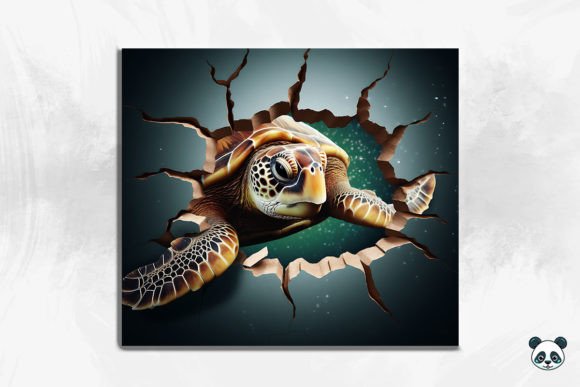
The landscape of custom drinkware has evolved significantly over the last decade, moving from simple two-dimensional logos to immersive, wrap-around visual experiences. At the forefront of this evolution is the technique of 3D sublimation, where digital artistry meets physical utility to create products that appear to have depth and texture. A prime example of this trend is the Penguin from Cracked Hole 3D Tumbler 1 design. This specific aesthetic combines the charm of sea animal imagery with a trompe-l'œil effect, creating the illusion that a penguin is emerging from a fractured surface. For creators, educators, and business owners in the print-on-demand space, understanding the nuances of such designs is essential for producing high-quality, marketable goods.
The Mechanics of Illusion in Digital Wraps
To appreciate the value of a design like the Penguin from Cracked Hole 3D Tumbler 1, one must first understand the technical requirements of 3D sublimation on skinny tumblers. Unlike standard flat printing, a 3D wrap relies on precise distortion and perspective mapping. When a flat PNG file is applied to a cylindrical object, the image must be pre-distorted so that it appears correct to the human eye once wrapped around the curve. The "cracked hole" effect specifically utilizes shading, highlights, and shadow placement to simulate depth. If the resolution is insufficient or the DPI (dots per inch) is too low, the illusion breaks, and the "hole" looks like a flat sticker rather than a dimensional breach in the tumbler's surface.
The standard for professional results in this niche is a file resolution of 300 DPI. The Penguin from Cracked Hole 3D Tumbler 1 Background typically comes in dimensions such as 9.3 inches by 8.2 inches, which is calibrated for the popular 20 oz skinny tumbler. This sizing ensures that when the substrate is heated and pressed, the ink penetrates the polymer coating without pixelation. For hobbyists and researchers studying digital textile and hard substrate printing, observing how a seamless pattern interacts with the physical constraints of a cylinder offers valuable insights into spatial reasoning and graphic design adaptation.
Sea Animal Themes and Market Appeal
The choice of subject matter is just as critical as the technical execution. Sea animals, particularly penguins, hold a unique position in the consumer market. They appeal to a broad demographic ranging from children who love wildlife to adults who appreciate coastal or arctic aesthetics. The Sea Animal watercolor style often paired with 3D effects adds a layer of artistic sophistication. Watercolor textures provide softness and organic variation that contrast sharply with the hard, industrial look of a stainless steel tumbler. This juxtaposition creates a tactile visual experience that encourages engagement.
When utilizing a Sea Animal 3D seamless pattern, creators can produce batches of tumblers that maintain consistency while allowing for slight variations in placement. This is particularly useful for small business owners who need to scale production without sacrificing the handmade feel of their products. The penguin motif, specifically, transcends seasonal boundaries. While often associated with winter holidays, penguins are also relevant for zoo enthusiasts, Antarctic research supporters, and general animal lovers year-round. By leveraging a design like the Penguin from Cracked Hole 3D Tumbler 1, sellers can tap into these evergreen niches rather than relying solely on fleeting trends.
Workflow Integration for Digital Downloads
For the end-user purchasing an instant digital download, the workflow begins immediately after acquisition. The package usually contains a ZIP file with high-resolution PNGs. It is crucial to note that these are digital assets only; no physical tumblers or blanks are included. The user must possess the necessary hardware, including a sublimation printer, heat press or convection oven, and appropriate protective gear. The process involves printing the Straight Tumbler Wrap PNG onto sublimation paper, trimming it to fit the specific dimensions of the 20 oz skinny tumbler, and securing it with heat-resistant tape.
Once the design is wrapped, the tumbler is placed in the heating element. The temperature and time settings vary based on the specific equipment and blank manufacturer, but the goal is to convert the solid dye on the paper into a gas that bonds with the polymer coating of the tumbler. The "cracked hole" element of the design requires careful attention during this phase. If the wrap shifts even slightly, the alignment of the "crack" relative to the penguin will be off, ruining the 3D effect. Professionals recommend using a shrink wrap or silicone sleeve to ensure uniform pressure around the cylinder, which helps maintain the integrity of the intricate details found in the 3D Sea Animal artwork.
Advantages of High-Resolution Seamless Patterns
The utility of a seamless pattern extends beyond a single tumbler. Designers and researchers can utilize these files for various applications, including fabric printing, wallpaper design, and other merchandise. The ability to tile the image without visible seams allows for scalability. In the context of tumblers, a seamless background ensures that regardless of how the user holds the cup, the visual narrative remains intact. There are no awkward cut-offs or disjointed elements that disrupt the immersion of the sea animal theme.
Furthermore, the 300 DPI specification guarantees that the output remains crisp even when viewed up close. In an era where consumers are increasingly discerning about print quality, blurry edges or banding can deter purchases. A high-fidelity Sea Animal png file provides the clarity needed to showcase the subtle gradients in the penguin's feathers and the realistic texture of the simulated ice or rock surrounding the "cracked hole." This level of detail elevates the product from a novelty item to a piece of functional art.
Educational and Creative Applications
Beyond commercial sales, these digital designs serve as excellent resources for educators and students in graphic design and vocational training programs. Analyzing the Penguin from Cracked Hole 3D Tumbler 1 file can teach students about layering, masking, and the physics of light and shadow in a 2D medium intended for a 3D object. Educators can use these files to demonstrate how digital tools can simulate physical phenomena, bridging the gap between virtual design and tangible manufacturing.
Hobbyists also benefit from the accessibility of instant downloads. The barrier to entry for creating professional-looking custom goods has lowered significantly. With the right file, a home crafter can produce items that rival those made by large-scale manufacturers. This democratization of design allows for greater creativity and personalization. A user might take the base Sea Animal wrap and modify it in their own software to add names, dates, or additional graphical elements, making each tumbler a unique gift or keepsake.
Considerations for Quality and Longevity
While the design file is the foundation, the longevity of the final product depends on several external factors. The quality of the tumbler blank itself plays a significant role. Not all stainless steel tumblers are coated with the same polymeric finish required for sublimation. Using a sub-par blank can result in dull colors or peeling over time, regardless of how stunning the 3D design is. Additionally, the care instructions provided to the end consumer are vital. Sublimated images are durable but not indestructible; hand washing is generally recommended to preserve the vibrancy of the Sea Animal background and the sharpness of the 3D effects.
Creators must also be mindful of color management. Monitors display colors in RGB (light), while printers use CMYK (ink). A vibrant blue on a screen may print differently on paper. Professional users often create ICC profiles for their specific printer and paper combinations to ensure the Penguin from Cracked Hole 3D Tumbler 1 prints with accurate color reproduction. This step is often overlooked by beginners but is critical for maintaining brand consistency and customer satisfaction.
The Future of Custom Drinkware Design
As technology advances, the expectations for custom drinkware will continue to rise. The success of designs like the Sea Animal 3D seamless pattern indicates a shift towards more complex, narrative-driven visuals. Consumers are no longer satisfied with static images; they seek dynamic compositions that tell a story. The "cracked hole" concept is a testament to this desire for interaction and surprise. It invites the viewer to look closer, to question the reality of the surface, and to engage with the object on a deeper level.
For business owners, staying ahead of these trends means curating collections that offer both aesthetic appeal and technical excellence. Incorporating diverse themes, such as various sea animals or different environmental backdrops, allows for a broader catalog. The flexibility of digital downloads means that inventory costs are minimized; designs can be updated or swapped out instantly based on market feedback. This agility is a significant advantage in the fast-paced world of e-commerce and custom manufacturing.
In conclusion, the intersection of digital art and physical fabrication offers endless possibilities for innovation. Whether for a small Etsy shop, a large corporate gift supplier, or an educational workshop, the principles remain the same: high-quality source files, precise execution, and an understanding of the end user's needs. The Penguin from Cracked Hole 3D Tumbler 1 serves as a perfect case study in this domain, illustrating how a well-crafted digital asset can transform a simple stainless steel cup into a captivating piece of everyday art. By mastering the tools and techniques associated with these designs, creators can deliver value that resonates with audiences across the globe.