Seahorse 3D Tumbler Design
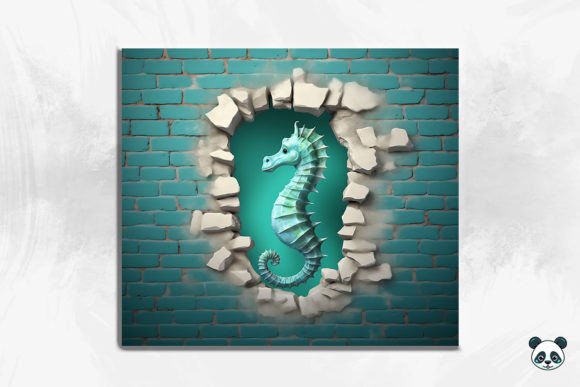
Elevating a product from a simple commodity to a coveted lifestyle accessory often hinges on the quality of its visual narrative, and the Seahorse from Cracked Hole 3D Tumbler 2 exemplifies how immersive imagery can transform everyday objects into statement pieces. In the competitive landscape of custom merchandise, designers are constantly seeking assets that offer depth, realism, and immediate visual impact to capture consumer attention.
This specific design asset serves as more than just a decorative overlay; it is a strategic tool for creators looking to master the art of sublimation printing on curved surfaces. The "cracked hole" aesthetic introduces a dynamic element of surprise and dimensionality, breaking the monotony of flat patterns and inviting the viewer to look closer. For graphic designers and small business owners, understanding how to leverage such high-fidelity 3D elements is crucial for building a strong brand identity in the crowded market of handmade and custom goods.
The Power of 3D Visuals in Modern Branding
In contemporary graphic design, the shift toward hyper-realistic and three-dimensional imagery reflects a broader desire for tactile experiences in digital and physical media. When applied to products like the 20 oz skinny tumbler, a 3D sea animal design does more than fill space; it creates a focal point that enhances the perceived value of the item. The interplay of light and shadow inherent in 3D renders adds a layer of sophistication that flat vector art often struggles to achieve without significant manual effort.
Utilizing a resource like the Seahorse From Cracked Hole 3D Tumbler 2 Background allows creators to bypass the time-consuming process of modeling and rendering from scratch. Instead, they can focus on the broader aspects of visual design and composition. This efficiency is vital for maintaining a productive design workflow, especially when managing multiple client projects or preparing for seasonal launches. High-resolution PNG files, typically offered at 300 DPI, ensure that the final print retains crisp edges and vibrant colors, which are non-negotiable for professional presentation.
Strategic Applications Across Creative Projects
While tumbler wraps are the most obvious application for this type of asset, the versatility of a high-quality seamless pattern extends far beyond drinkware. Savvy designers integrate these elements into various facets of their digital marketing and product ecosystems to maintain visual consistency. Here is how such assets can be deployed effectively:
- Packaging Design: Use the sea animal motif to create cohesive box liners or sticker seals that reinforce the unboxing experience.
- Social Media Graphics: Extract elements from the background to create engaging posts, stories, or ad creatives that align with your product photography.
- Web and UI Design: Incorporate the watercolor textures or 3D elements as subtle background patterns for niche websites focused on ocean conservation or marine life.
- Editorial Layouts: Apply the imagery in magazines or lookbooks to add depth to page spreads without overwhelming the typography.
- Merchandise Expansion: Adapt the design for tote bags, phone cases, or apparel, ensuring your brand identity remains recognizable across different mediums.
Optimizing Design for Sublimation and Print
Success in sublimation printing relies heavily on the preparation of the digital file. When working with a straight tumbler wrap PNG, attention to detail regarding sizing and alignment is paramount. The standard dimensions for a 20 oz skinny tumbler usually require a specific aspect ratio to prevent distortion or unwanted white gaps after pressing. A well-prepared file, such as one measuring approximately 9.3 x 8.2 inches, provides the necessary bleed area to accommodate the curvature of the cup.
Furthermore, the choice of color palette plays a significant role in the final outcome. Sea animal themes often utilize blues, teals, and sandy neutrals, which must be balanced to ensure readability against the tumbler's base color. Designers should consider the visual hierarchy of their layout; the 3D seahorse should act as the primary anchor, while any additional text or secondary graphics support rather than compete with it. This balance ensures that the message is communicated clearly and the aesthetic remains polished.
Enhancing User Engagement Through Aesthetics
In an era where consumers are drawn to authenticity and craftsmanship, the use of detailed, artistic assets signals a commitment to quality. A tumbler featuring a stunning 3D seahorse emerging from a textured background tells a story of exploration and nature. This emotional connection drives engagement and encourages users to share their purchases on social platforms, effectively turning customers into brand ambassadors.
For those integrating these designs into a larger branding strategy, consistency is key. Ensure that the style of the 3D render matches other visual assets used in your logo design and marketing materials. Whether you are targeting beach lovers, marine biologists, or fans of fantasy aesthetics, the right visual elements can define your niche and elevate your market presence.
Ultimately, the decision to use premium creative assets like the Seahorse from Cracked Hole 3D Tumbler 2 is an investment in the overall quality of your output. By prioritizing high-resolution imagery, thoughtful composition, and strategic application, designers can create products that not only look exceptional but also resonate deeply with their intended audience. Thoughtful design choices bridge the gap between functional utility and artistic expression, resulting in creations that stand the test of time and trend cycles.